
Mold is a common but often hidden problem for homeowners in San Antonio. It can appear in unexpected places, silently damaging property and affecting indoor air quality. While most people associate mold with visible black spots, the underlying causes often go unnoticed until the problem has spread.
Understanding what contributes to mold growth is essential for prevention and early intervention. In this article, we’ll explore the hidden causes of mold, why it thrives in certain conditions, and when professional help is needed to protect your home and health.
Why Mold Grows
Mold spores are everywhere, both indoors and outdoors. They only become a problem when they encounter favorable conditions:
- Moisture: Mold requires damp environments to thrive. Even minor leaks or condensation can create ideal growth conditions.
- Warmth: San Antonio’s warm climate allows mold to grow year-round, particularly in poorly ventilated spaces.
- Organic Materials: Wood, drywall, insulation, and carpets provide nutrients for mold to feed on.
Without addressing these factors, mold can spread quickly, leading to structural damage and health concerns.
Hidden Causes of Mold in Homes
While some mold is obvious, several hidden factors contribute to its growth:
- Humidity Levels
San Antonio often experiences high humidity. Even without leaks, indoor humidity above 50–60% can encourage mold growth. Poorly ventilated bathrooms, kitchens, and laundry rooms are common hotspots. - Air Conditioning Systems
Improperly maintained HVAC systems can accumulate moisture, creating breeding grounds for mold. Leaky ductwork or clogged drip pans can distribute spores throughout your home. - Roof Leaks
Damaged shingles, worn flashing, or clogged gutters allow water to seep into attics and ceilings. Often, mold develops in hidden areas, only becoming visible when it spreads to walls or floors. - Condensation
Condensation forms when warm, moist air contacts cool surfaces. Common areas include window sills, pipes, and poorly insulated walls. Persistent condensation often goes unnoticed, giving mold a chance to grow behind walls or under flooring. - Minor Plumbing Issues
Even small leaks from faucets, pipes, or appliances can go undetected for months. This slow moisture accumulation is enough for mold to thrive without immediately alerting homeowners. - Flooding or Water Damage
Homes in areas prone to heavy rain or flash flooding may experience water intrusion that isn’t fully dried. Hidden moisture behind drywall or under flooring can lead to mold growth weeks later.
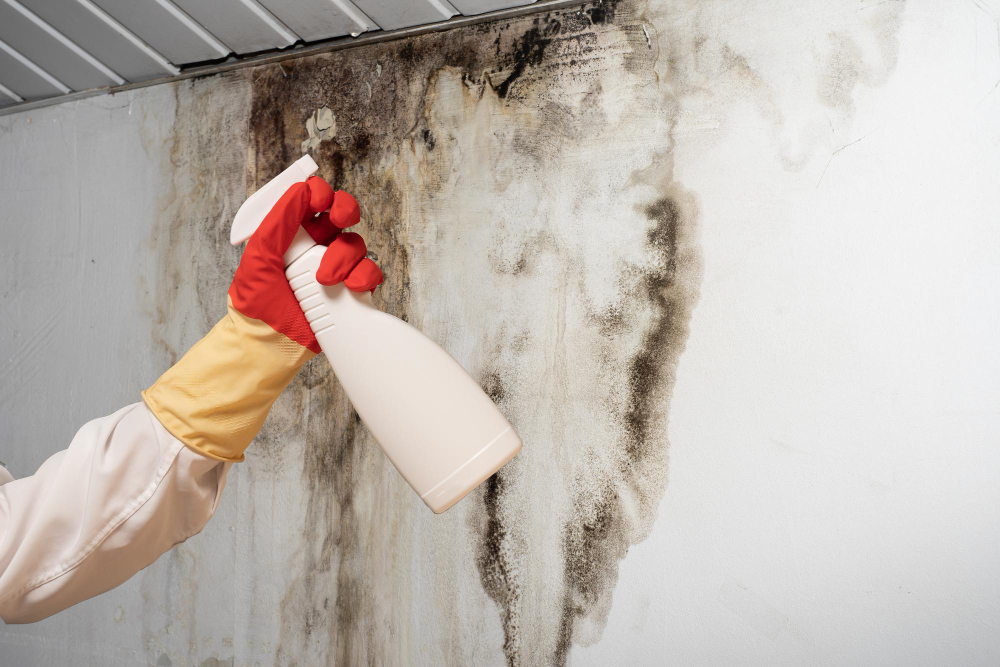
Health Risks Associated with Mold
Mold can impact indoor air quality and pose health risks, particularly for children, the elderly, and those with respiratory conditions:
- Allergies: sneezing, runny nose, itchy eyes
- Respiratory problems: coughing, wheezing, asthma flare-ups
- Skin irritation: rashes and redness
- Chronic exposure: potential long-term respiratory issues
Even if visible mold is limited, spores can circulate in the air, making professional removal important.
Prevention Tips for Homeowners
While some mold issues require professional remediation, homeowners can take steps to reduce risk:
- Control Humidity: Use dehumidifiers and air conditioning to maintain indoor humidity below 50–60%.
- Ventilate Properly: Ensure bathrooms, kitchens, and laundry areas have functional exhaust fans.
- Inspect Plumbing: Check under sinks, around water heaters, and behind appliances for leaks.
- Maintain Roof and Gutters: Repair damaged shingles and keep gutters clear to prevent water intrusion.
- Monitor Attics and Basements: Look for signs of dampness or musty odors regularly.
When to Call Professionals
Some mold problems are not easily visible, and DIY removal may worsen the issue. Professional remediation ensures complete removal and prevents recurrence. In San Antonio, mold remediation specialists like Cleaning & Restoration Specialist, Inc. use certified techniques, advanced equipment, and safe handling methods to restore homes effectively.
Conclusion
Mold in San Antonio homes is often caused by hidden factors like humidity, air conditioning issues, roof leaks, and minor plumbing problems. While preventive steps can reduce risk, professional intervention is sometimes necessary to fully eliminate mold and protect both property and health. By understanding the hidden causes and acting proactively, homeowners can maintain a safe, clean, and healthy living environment while safeguarding their investment.