
Before you jump into water damage cleanup, it’s vital to understand the types of damage you might be dealing with. A clear understanding of the different categories of water damage will empower you to address the issue more effectively and prevent future occurrences.
Surface-Level Damage
Surface-level damage is usually cosmetic. It includes water stains on walls or ceilings, slight discoloration, or minor peeling of paint and wallpaper. These issues, while often less severe, can still detract from the appearance and comfort of your home.
Surface damage is often the result of slow, minor leaks and can usually be handled with simple home remediation techniques. Addressing surface-level damage promptly can prevent it from escalating into more serious problems, maintaining the integrity of your home.
Structural Damage
Structural damage is more serious and affects the core components of your home, such as the foundation, walls, and floors. This type of damage can compromise the stability and safety of your house, making it unfit for habitation if not addressed promptly. Signs include warped floors, sagging ceilings, and cracking walls.
If left untreated, structural damage can lead to expensive repairs and potential safety hazards. Recognizing the signs early and taking decisive action can mitigate risks and preserve the value of your property.
Signs of Surface-Level Water Damage
Surface-level water damage is generally easier to spot and handle. Here are some common signs that indicate the presence of this type of damage:
Stains and Discoloration
One of the most visible signs of water damage is the appearance of stains or discoloration on walls and ceilings. They might appear as yellowish or brownish patches and indicate water seepage. These stains can become breeding grounds for mold if not addressed, leading to further complications. Regularly inspecting your home for such signs can help you catch leaks early and address them before they worsen.
Peeling or Bubbling Paint
If you notice paint or wallpaper starting to peel, bubble, or warp, it could be from moisture underneath the surface. This is often a sign that water has infiltrated areas it shouldn’t, potentially leading to further deterioration if not treated. Addressing these issues not only improves aesthetics but also prevents the spread of moisture to other areas. Timely intervention can save you from more extensive repairs later on.
Musty Odor
A persistent musty smell often accompanies surface-level water damage. It’s usually a sign of mold or mildew growth due to moisture. This odor can be a nuisance and a health concern, particularly for individuals with respiratory issues.
Identifying and eliminating the source of the odor is crucial to maintaining a healthy living environment. Employing proper ventilation and dehumidification can help manage moisture levels and prevent mold proliferation.
Minor Mold Growth
Mold thrives in damp environments. Spotting small patches of mold or mildew in certain areas can be an indicator of surface-level water damage. While small patches might seem insignificant, they can spread quickly if not addressed, posing health risks and compromising air quality.
Regular cleaning and moisture control are key to preventing mold growth and ensuring a safe home environment. Early detection and treatment are essential to keep mold at bay.
Signs of Structural Water Damage
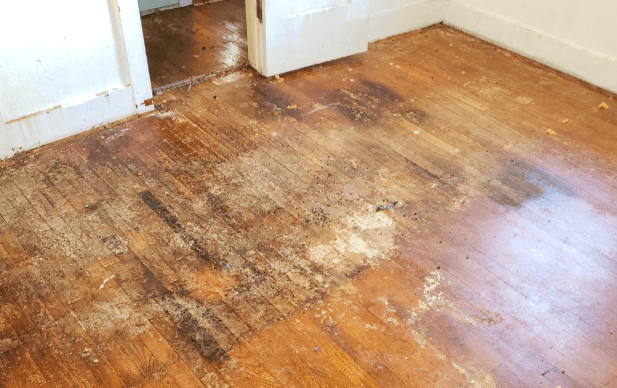
Structural water damage is more severe and requires immediate attention. Here are some indicators that suggest you may be dealing with this type of damage:
Warped or Buckled Floors
Floors that have become warped or buckled are a clear sign of structural damage. This occurs when water seeps into the subflooring, causing it to expand and contract. Over time, this can lead to uneven surfaces and create tripping hazards. Addressing warped floors promptly is essential to maintain the safety and functionality of your living spaces.
Sagging Ceilings
A sagging or drooping ceiling can indicate significant water accumulation above, which poses a risk of collapse. This is often a sign of severe leaks or water pooling in the attic or roof spaces. Immediate action is necessary to prevent ceiling collapse and further damage to the interior. Ensuring proper roof maintenance and prompt repairs can help prevent such issues.
Cracked or Bowed Walls
Cracks or bulges in walls could mean that water has penetrated deeply, affecting the structure’s integrity. These issues can compromise your home’s stability and may worsen over time if not addressed. Repairing cracked or bowed walls requires a thorough assessment to determine the extent of the damage and the best course of action. Engaging professionals can ensure that repairs are done correctly and efficiently.
Persistent Dampness
If certain areas of your home remain damp despite cleanup efforts, it might indicate a deeper structural issue. Persistent dampness can lead to ongoing water damage, mold growth, and deterioration of building materials. Identifying the source of the moisture is crucial to addressing the problem effectively. Professional assessment and intervention may be necessary to resolve underlying issues and prevent future recurrence.
Conducting a Water Damage Assessment
Conducting a thorough water damage assessment is crucial to determine the severity of the damage. Here’s how to go about it:
Initial Inspection
Start by conducting a visual inspection of your home. Look for the visible signs mentioned above in all rooms, including basements and attics. Pay special attention to areas prone to moisture accumulation, such as bathrooms and kitchens. Documenting your findings with photos can help in tracking the progress of repairs and communicating with professionals if needed.
Use Leak Detection Services
Consider hiring professional leak detection services to pinpoint hidden leaks. These professionals use advanced tools to find leaks that are not visible to the naked eye. Their expertise can save you time and prevent further damage by accurately identifying the source of the problem. Investing in professional services can provide peace of mind and ensure a thorough assessment.
Measure Moisture Levels
Using a moisture meter can help you measure moisture levels in walls, floors, and ceilings. This can give you a better idea of whether the damage is surface-level or structural. Regular monitoring of moisture levels can help you catch potential issues before they escalate into major problems. Moisture meters are a valuable tool for homeowners seeking to maintain a dry and healthy living environment.
Consult with Professionals
If you suspect structural damage, consult with water damage restoration professionals. They can provide a more detailed assessment and recommend appropriate actions. Professional consultation ensures that you receive expert advice tailored to your specific situation. Their experience and knowledge can guide you through the restoration process, ensuring that repairs are done correctly and efficiently.
Steps for Water Damage Restoration
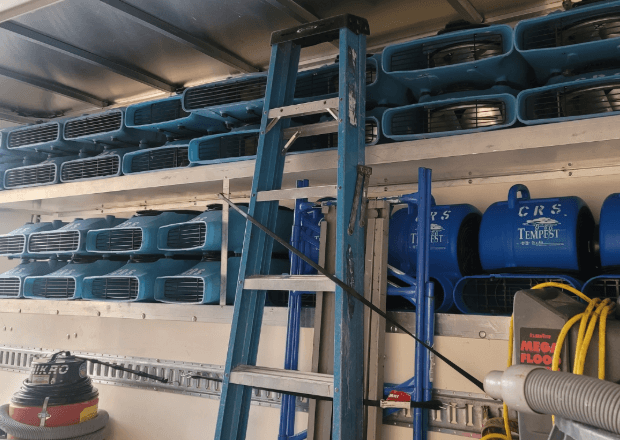
Once you’ve identified the type of water damage, the next step is restoration. Here are some general steps for both surface-level and structural water damage cleanup:
Surface-Level Restoration
- Dry the Area: Use fans and dehumidifiers to dry out affected areas completely. Ensuring thorough drying prevents mold growth and further damage.
- Clean and Disinfect: Clean surfaces with a disinfectant to prevent mold growth. Regular cleaning can maintain a healthy environment and prevent future issues.
- Repair and Repaint: Repair any cosmetic damage like peeling paint or wallpaper, and repaint if necessary. These steps restore the appearance of your home and prevent further deterioration.
Structural Restoration
- Professional Assessment: Hire a structural engineer or water damage restoration expert to assess the damage. Their expertise is crucial for identifying and addressing underlying issues.
- Drying and Dehumidification: Use industrial-grade equipment to dry affected areas. Proper drying is essential to prevent ongoing damage and ensure a stable environment.
- Repairs: Reinforce or replace damaged structural elements like beams, joists, and drywall. Addressing structural damage promptly ensures the safety and stability of your home.
- Preventive Measures: Consider waterproofing your home and improving drainage to prevent future issues. Implementing preventive measures can save you from costly repairs in the long run.
Preventing Future Water Damage
Preventing water damage is just as important as addressing existing issues. Here are some tips to keep your home safe:
- Regular Maintenance: Regularly inspect your roof, gutters, and plumbing for any signs of leaks or damage. Routine maintenance can catch potential problems before they escalate.
- Install a Sump Pump: A sump pump can help keep your basement dry during heavy rains. Proper installation and maintenance of a sump pump can prevent water accumulation.
- Seal and Insulate: Seal any cracks in your foundation and walls and ensure proper insulation to prevent moisture intrusion. Sealing and insulating your home protects against the elements and maintains energy efficiency.
- Monitor Humidity Levels: Keep an eye on indoor humidity levels and use dehumidifiers if necessary. Controlling humidity is key to preventing mold growth and maintaining a comfortable environment.
Conclusion
Water damage can be a daunting problem, but understanding how to differentiate between surface-level and structural damage is the first step in addressing it effectively. Conduct thorough water damage assessments and take prompt action to mitigate damage.
Remember, consulting with professionals for emergency water damage situations can save you time and money in the long run. By taking proactive measures, you can protect your home from future water damage and ensure a safe living environment. With the right knowledge and tools, homeowners can face water damage challenges with confidence and secure their investment for years.
When water damage strikes, trust the experienced team at Cleaning and Restoration Specialist to respond quickly. We’re here to restore your home and peace of mind—contact us today for expert service you can count on.