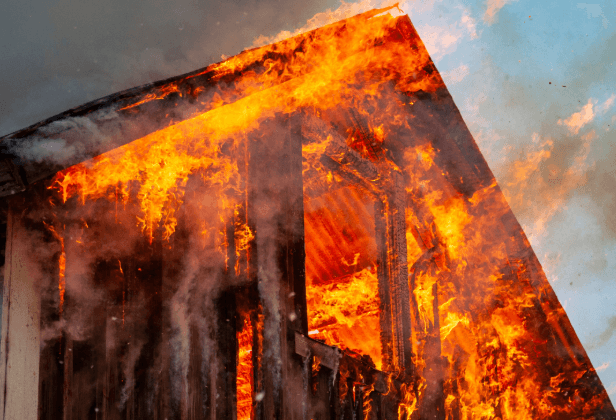
Smoke damage goes beyond what the eye can see. It involves tiny particles and harmful chemicals that penetrate walls, fabrics, and other surfaces in your home. This damage can linger long after the fire is out, affecting air quality and posing health risks. These particles are often microscopic and can embed themselves in any porous surface, making them incredibly difficult to remove without professional intervention.
What Causes Smoke Damage?
Smoke damage is caused by the incomplete combustion of materials during a fire. The substances that burn release a mix of chemicals and soot, which then settle on surfaces and seep into porous materials. This can include everything from wood and drywall to carpeting and clothing. The combustion process creates a variety of byproducts, some of which are toxic and can pose serious health risks if inhaled or absorbed through the skin.
Types of Smoke Residue
Wet Smoke Residue
Resulting from smoldering fires with low heat, this sticky residue is challenging to clean. It tends to smear, making removal difficult and often requiring specialized cleaning methods.
Dry Smoke Residue
From fast-burning, high-temperature fires, this powdery residue is easier to clean but spreads quickly. It can penetrate even the smallest cracks, making it pervasive throughout the home.
Protein Residue
Invisible but leaves a strong odor and discolors varnishes and paints. This type is common in kitchen fires and can be particularly stubborn, often requiring professional deodorization.
Fuel Oil Soot
From furnace puff backs, leaving oily residues. This type can be particularly damaging to HVAC systems, potentially causing long-term issues if not addressed promptly.
Health Risks of Sleeping in a Home With Smoke Damage
The health implications of smoke damage are serious and should not be underestimated. Here’s why you should think twice before sleeping in a home affected by smoke damage.
Respiratory Issues
The soot and chemicals in smoke can cause or exacerbate respiratory problems. People with asthma, COPD, or other chronic respiratory conditions are particularly at risk. Even healthy individuals might experience coughing, shortness of breath, or other respiratory symptoms after exposure to smoke damage.
Prolonged exposure can lead to chronic respiratory issues, reducing lung function and increasing susceptibility to infections. It’s crucial to ensure the air quality in your home is safe, especially for vulnerable individuals such as children and the elderly.
Toxic Exposure
Smoke contains a variety of toxic substances, including carbon monoxide, formaldehyde, and benzene. These can pose significant health risks, especially with prolonged exposure. Symptoms might include headaches, dizziness, nausea, and in severe cases, long-term health effects.
Chronic exposure to these toxins can lead to more severe conditions, such as cancer or neurological damage. It is essential to address any smoke damage promptly to minimize these risks and ensure a healthy living environment.
Steps to Take After a Fire
Ventilation
Open windows and doors to allow fresh air to circulate, which helps to clear smoke and reduce odors. This is one of the simplest yet most effective ways to improve air quality quickly after a fire.
Assessment
Have a professional assess the extent of smoke damage to understand the scope of remediation needed. Professionals can identify hidden damage that may not be immediately apparent.
Avoid Contaminated Areas
Limit access to affected areas to prevent the spread of soot and contaminants. This helps to contain the damage and reduce exposure to harmful substances.
Professional Cleaning
Hire a professional cleaning service specializing in smoke damage to ensure thorough decontamination. They have the tools and expertise to remove smoke residues effectively.
Air Quality Testing
Conduct air quality tests to detect lingering smoke particles or chemicals in the air. This can help determine if further remediation is necessary.
Replace Damaged Items
Consider replacing severely damaged items that cannot be effectively cleaned or restored. This includes items like mattresses and upholstered furniture, which can harbor smoke particles.
Inspect HVAC Systems
Clean and inspect HVAC systems, as they can circulate smoke particles throughout the home. Regular maintenance can prevent future problems and ensure clean air circulation.
Professional vs. DIY Remediation
Professional Remediation
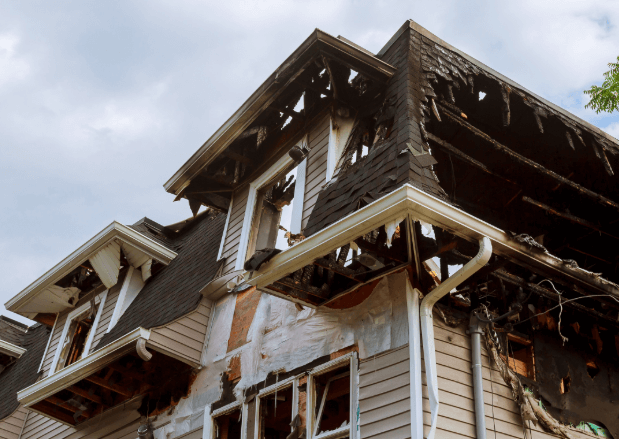
Engaging professional remediation services ensures that smoke damage is addressed comprehensively. Experts use specialized equipment and techniques to remove soot, clean surfaces, and neutralize odors. They can also provide guidance on restoring items and structures that can be salvaged, helping to preserve your home’s value and integrity. Professional services also often include monitoring and testing to confirm that the remediation process has been successful.
DIY Cleaning Tips
For minor smoke damage, some DIY steps can be effective:
- Cleaning Surfaces: Use a mild detergent and warm water to clean walls and surfaces. A mixture of vinegar and water can also neutralize odors.
- Washing Fabrics: Wash clothing, curtains, and other fabrics with a smoke odor remover. It’s often necessary to wash items multiple times or use professional cleaning services for heavily affected textiles.
- Vacuuming: Use a vacuum with a HEPA filter to remove soot from floors and upholstery. This can help prevent the redistribution of particles into the air.
Final Thoughts: Prioritize Safety
Sleeping in a house with smoke damage poses significant health risks and is generally not recommended without proper remediation. By understanding the types and risks of smoke damage, implementing fire safety measures, and engaging in thorough home remediation, you can protect your health and restore your home to a safe environment.
Always prioritize safety and consult with professionals when dealing with the aftermath of a fire to ensure that your living space is truly safe for you and your loved ones.
For immediate assistance after a fire in San Antonio, contact Cleaning and Restoration Specialist. Our team is ready to restore your home safely and efficiently.