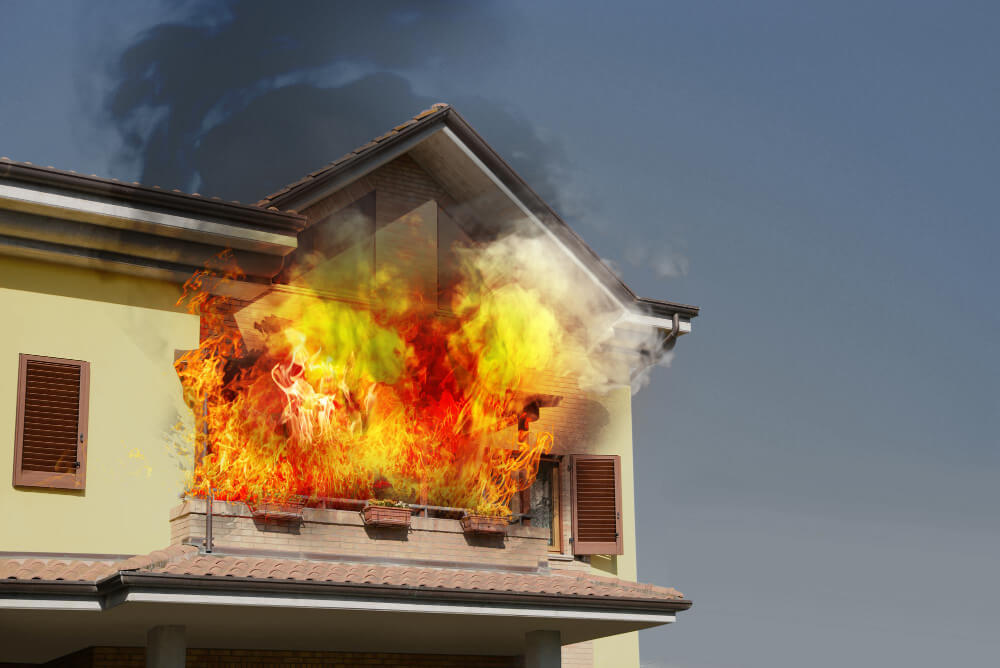
Experiencing a fire in your home is overwhelming. Beyond the initial shock, the aftermath can feel chaotic and unsafe. While it’s crucial to have professionals handle fire damage restoration, there are steps homeowners can take to assess their property safely before experts arrive. Conducting a careful inspection can help document damage for insurance purposes and prevent further hazards—but safety must always come first.
In this guide, we’ll walk through the precautions, key areas to check, and common hazards to watch for after a fire.
Safety First: Preparing for Inspection
Before entering a fire-damaged home, prioritize safety:
- Wait for Clearance: Only enter the property if local authorities deem it safe. Structural damage or lingering hotspots may still exist.
- Protect Yourself: Wear sturdy shoes, gloves, long sleeves, and a mask to avoid contact with soot, debris, or airborne contaminants.
- Beware of Hazards: Fire can weaken floors, ceilings, and walls. Avoid areas that appear unstable or charred.
- Turn Off Utilities: Ensure gas, water, and electricity are turned off to prevent explosions, leaks, or electrocution.
Key Areas to Inspect
Even a quick walkthrough can reveal critical information. Focus on these areas:
- Structural Damage
- Look for sagging ceilings, warped floors, or cracked walls.
- Note areas that appear unsafe and avoid walking under compromised beams.
- Smoke and Soot Residue
- Examine walls, ceilings, furniture, and personal belongings.
- Take photographs for insurance documentation.
- Water Damage
- Water used to extinguish the fire can cause additional issues.
- Check for wet flooring, damp drywall, or pooling water.
- Odors
- Smoke odors may linger and penetrate furniture and fabrics.
- While not immediately hazardous, they indicate areas that need professional cleaning.
- Appliances and Electrical Systems
- Do not turn on appliances or lights until a professional inspection confirms they are safe.
- Fire-damaged wiring can pose serious risks.
Documenting the Damage
Insurance claims are often complex, and thorough documentation helps streamline the process.
- Take Photos and Videos: Capture both wide-angle views and close-ups of damaged areas.
- Make Notes: Record details about what you see, including dates and approximate times.
- Avoid Removing Items: Unless it’s unsafe, leave belongings in place until professionals arrive.
What to Avoid
- Avoid DIY Cleanup: Soot, ash, and water damage require specialized equipment and chemicals. Attempting clean up yourself may worsen the damage or pose health risks.
- Don’t Re-Enter Unsafe Areas: Floors, staircases, or walls may collapse. Wait for professional clearance.
- Avoid Electrical Contact: Fire-damaged wiring can remain live. Do not touch outlets, switches, or appliances.
When to Call Professionals
After a fire, prompt professional intervention is critical. Fire damage restoration experts like Cleaning & Restoration Specialist have the training, equipment, and experience to:
- Safely remove soot, ash, and debris
- Treat smoke odors and prevent long-term contamination
- Assess structural damage and coordinate necessary repairs
- Assist with insurance documentation and claims
Calling professionals early reduces the risk of secondary damage from water, smoke, or lingering heat and ensures your property is restored safely.
Tips for Homeowners While Waiting
- Ventilate Carefully: Open windows if it’s safe, but avoid strong drafts that may spread soot.
- Limit Movement: Minimize walking through affected areas to reduce contamination.
- Protect Yourself: Continue wearing gloves, boots, and a mask if entering the property is necessary.
- Keep Records: Maintain receipts for emergency repairs or temporary accommodations.
Conclusion
Inspecting your home after a fire is an essential step—but safety must always come first. By carefully evaluating structural stability, documenting damage, and avoiding hazards, homeowners can prepare for professional restoration while protecting themselves. In San Antonio, Cleaning & Restoration Specialist provides expert fire damage restoration services, ensuring homes are cleaned, repaired, and safe for residents. Following these steps and involving professionals quickly minimizes damage, protects health, and helps families recover with confidence.